
Why your browser wallet should feel like a good neighbor — fast, dependable, and a little paranoid
Whoa! Seriously? A browser extension wallet that actually behaves like it respects you. My first impression was skeptical — browser wallets always promised convenience but often felt like leaving my front door unlocked when I walked away. I tried a lot of them. Some were clunky, some were flashy, and many asked for permissions that made my skin crawl. My instinct said: somethin’ ain’t right here. Initially I thought all wallets had to trade off usability for security, but then I started noticing subtle design choices that made a real difference.
Here’s the thing. Most users think “wallet” and immediately picture a seed phrase card shoved into a drawer or maybe a Ledger under a sock. But for daily DeFi, you want a browser extension that behaves predictably. You want clear permission prompts, sane defaults, and a fast transaction flow that doesn’t make you second-guess every click. Hmm… I want speed, but not at the cost of blind trust. On one hand, speed increases adoption; on the other hand, speed without guardrails invites trouble. Actually, wait—let me rephrase that: speed should be paired with explicit, easy-to-audit guardrails so you can move fast and sleep at night.
Practical example: transaction confirmation screens that show token approvals inline instead of burying them in tiny footnotes. Little things like that save time and prevent costly mistakes. I remember approving an infinite allowance because the UI hid the option to limit it; that part bugs me. And it’s not just about mistakes—it’s about nudging good behavior through design. People will follow the path of least resistance, so the wallet should make the safe path the easy path.
How a better extension wallet actually works (from a hands-on perspective)
Okay, so check this out—when I evaluate a browser extension wallet I run through a quick checklist: permission transparency, separate signing UI, transaction simulation, approval management, and multi-chain support. I tinker with each item in turn, and some surprises come up. For instance, the difference between an extension that asks for “site access” on all sites versus one that sculpts permission to a single domain feels huge in day-to-day safety. On one hand that broad access can make features seamless; though actually it massively widens the attack surface if a malicious tab is open. Initially I thought giving blanket access was harmless, but after some testing I realized the risk grows faster than the convenience benefits.
Another concrete detail: transaction simulation and gas estimation that explain why a transaction failed, rather than just showing a generic “failed” banner. Those diagnostic messages let you decide whether to retry or cancel. I’m biased, but I prefer wallets that put the tech under a hood you can peek into. Also: support for hardware wallets through the extension matters. I connected my Ledger and the flow was smooth—no awkward browser popups duplicating prompts. That kind of polish matters when you’re moving serious value.
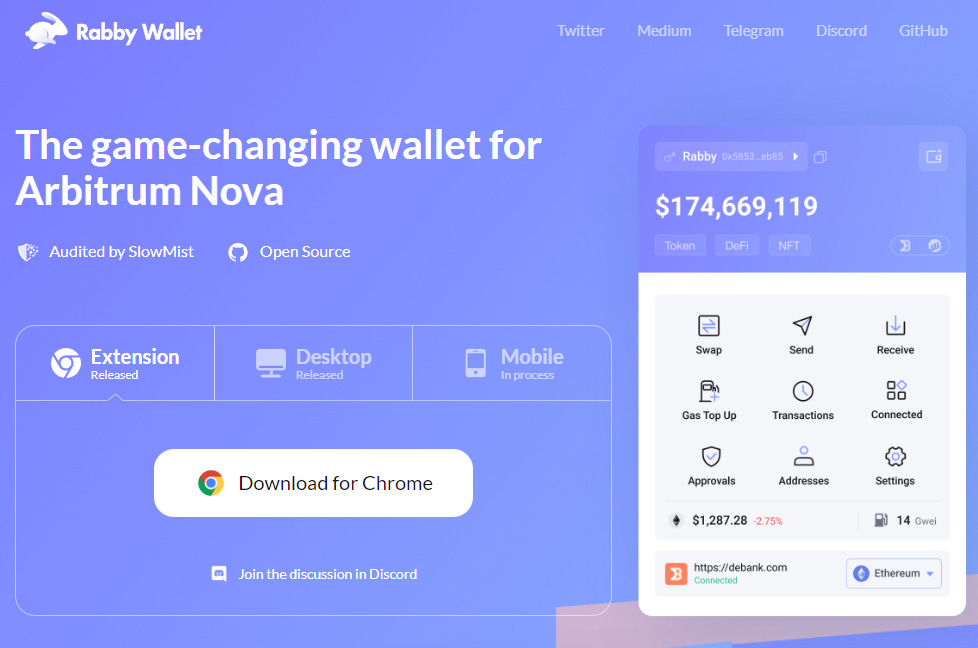
At this point you might be wondering which wallet I landed on. For me, the winner balanced UX and strong defaults while still offering power features for advanced users. When I switched to rabby I noticed the approvals manager was easy to find, the transaction breakdown was readable, and the risk warnings were actionable. Not perfect, but way better than many. Oh, and by the way… I still double-check big approvals even with rabby—old habits die hard, and that’s okay.
Design trade-offs show up in subtle UX choices. Short prompts win; long technical dialogs lose. But some complexity is necessary. Good wallets hide complexity until you ask for it, while bad ones either bury useful controls or force you into a tutorial to do basic things. Something I appreciate: the ability to set per-site connectivity and a dedicated approval flow for token allowances, so you can approve exact amounts instead of defaulting to infinite allowances. That is very very important to me, personally.
Security is not a single feature. It’s a system. You want sandboxing, limited permissions, and clear recovery paths for seed phrases, plus auditability so you can answer “what changed?” if something odd happens. On the technical side, deterministic signing and optional transaction simulation are big wins. From a behavioral perspective, the wallet should help users form good habits—warnings on suspicious contracts and simple tools to revoke old approvals. It’s about designing for human errors as much as cryptographic guarantees.
There’s also the cultural and community aspect. Wallets that actively maintain docs, sanity-check UX decisions with users, and iterate on feedback tend to avoid the worst pitfalls. I look for a public changelog or community notes that show they respond to incidents and learn from them. Not every team gets it right, and frankly some updates roll out with rough edges—so keep an eye on release notes and test new versions on small amounts first.
One more thought: interoperability. As DeFi fragments across chains and L2s, a good extension wallet makes switching networks simple and predictable without reintroducing risk. Your extension should show which network a dApp is asking to connect to, and make it clear when a chain switch will change your gas costs or token balances. My instinct said multi-chain support would be messy, but thoughtful UI can hide that complexity gracefully while keeping you informed.
FAQ
How do I minimize permission risks with a browser wallet?
Use per-site permissions, revoke old approvals often, connect hardware wallets for large balances, and prefer wallets that show detailed transaction breakdowns before you sign. Also test new extensions with small amounts first—small losses are painful but teach lessons without being catastrophic. And yeah, keep your seed offline; write it down and hide it somewhere sensible.
Có thể bạn quan tâm:
-
Where to Find Updated Lists of Active No Deposit Bonus Codes
-
Skycrown Support Contact Options and Help Resources Guide
-
Rocketplay Themed Welcome Bonus Packages Explained
-
Finest Gambling Establishments Mobile: Una Guida ai Principali Piattaforme di Gaming Online
-
Chicken Road Slot licencovaná kasino ČR
Apollo Việt Nam
Apollo là tập đoàn đầu tiên tiến công vào thị trường thực phẩm chức năng, kiên trì với tôn chỉ nâng cao trình độ bảo vệ sức khỏe, lấy việc "Quan tâm, thương yêu sức khỏe và cuộc sống con người" làm phương châm kinh doanh, hết lòng vì sự nghiệp bảo vệ sức khỏe của thế giới.
 Chat với tư vấn viên
 Gọi ngay